Best Fredericksburg top rated Landscaping Company Right Now
Landscaping Solutions: Ways a Professional Company Can Transform Your Property
Expert landscaping services can convert any property into an impressive outdoor area. They understand the nuances of design and implementation, tailoring their services to meet specific needs. From selecting the right plants to integrating hardscaping elements, their expertise guarantees a cohesive and functional landscape. The perks stretch past cosmetic enhancement. copyrightining how these specialists elevate both home and commercial properties provides crucial knowledge for property managers.
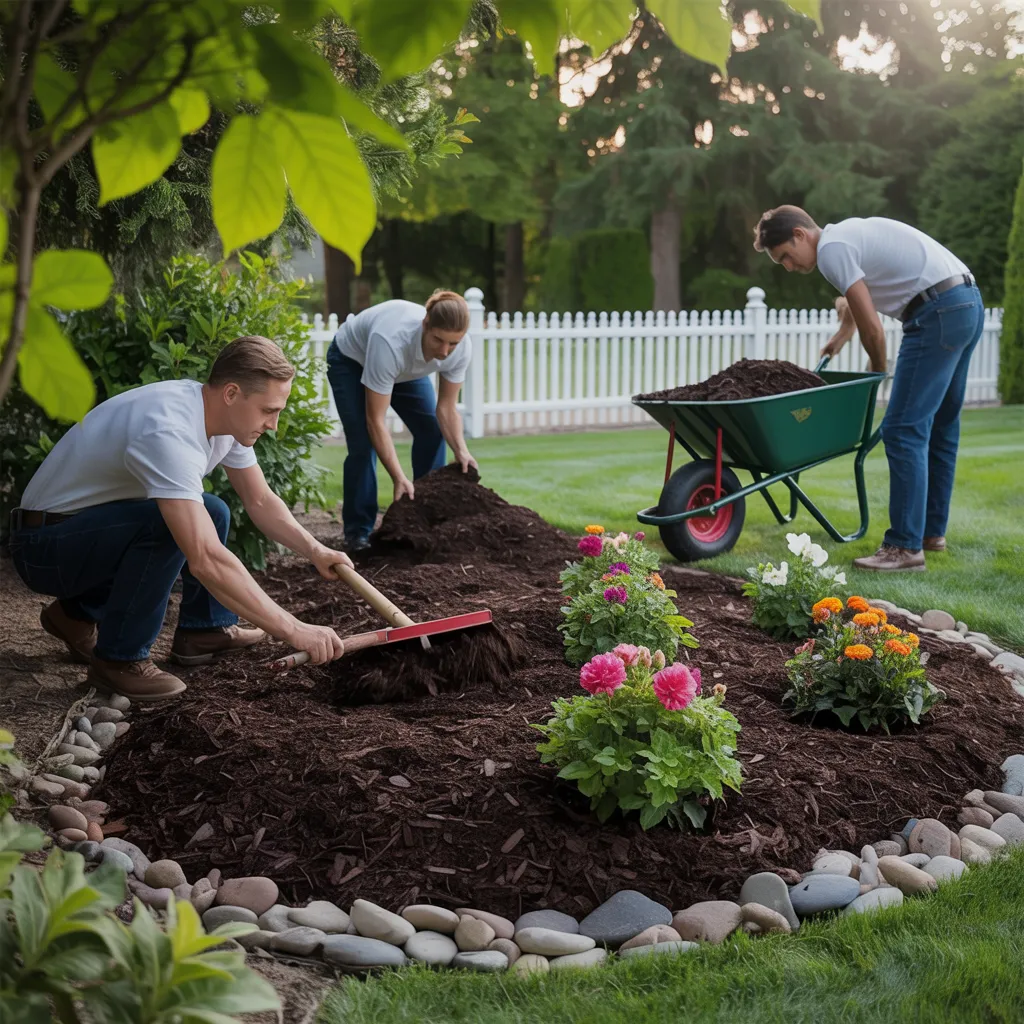
Innovative Landscaping Ideas for Residential and Commercial Spaces
How might one convert both residential and commercial areas into vibrant landscapes that represent personal style and boost curb appeal? Innovative landscaping solutions abound, delivering a wealth of options. For residential homes, incorporating unique hardscapes, such as stone trails or decorative retaining walls, can provide structure and visual interest. Incorporating water features like fountains or ponds creates a serene element, while strategically placed outdoor lighting improves ambiance and safety.
In business settings, employing bold color schemes through flower beds or ornamental grasses can grab attention and create an inviting atmosphere. Vertical gardens or living walls not only conserve space but also encourage sustainability. In addition, the use of seasonal decorations allows businesses to adapt their landscapes throughout the year, keeping the environment fresh and engaging. By integrating these various elements, both residential and commercial spaces can attain a dynamic appearance that showcases personal identity while enhancing overall curb appeal.
Choosing the Ideal Plants for Your Landscaping Design
Choosing the right plants for landscaping design is essential, as they not only improve visual appeal but also affect the overall health of the ecosystem. A professional landscaping company can help property owners in choosing plants that flourish in their specific climate and soil conditions. It is important to take into account aspects such as sunlight, water availability, and the local wildlife when choosing plants.
Local plant species are frequently suggested, as they require minimal maintenance and offer habitat for local fauna. Furthermore, including a combination of perennials, annuals, and shrubs can create year-round interest and structure in the landscape. Color, texture, and seasonal changes should also be considered to provide a dynamic and engaging design.
In the end, a thoughtfully designed selection of plants can greatly elevate the property's visual appeal while fostering sustainability and biodiversity in the surrounding environment.
Including Hardscaping Elements To Your Yard
Including hardscaping elements into a landscaping project accentuates the natural beauty offered by plants. Hardscaping refers to the non-plant aspects of a landscape, such as patios, walkways, retaining walls, and decorative stones. These elements add structure and functionality to outdoor spaces while enhancing visual appeal.
For instance, a well-placed stone pathway can lead visitors through a garden, creating a sense of adventure. Retaining walls can successfully manage slopes, preventing erosion while adding dimension to the landscape. Furthermore, incorporating features like decorative boulders or gravel beds can separate large areas of greenery, providing textural contrast and texture.
Moreover, picking materials that blend with the existing environment is critical. Natural stone or brick, for instance, can produce a fluid transition between hardscape and softscape. In the end, hardscaping enriches the overall landscape, supplying both decorative value and practical benefits for property owners.
Design Welcoming Outdoor Living Spaces: Decks, Patios, and Beyond
Creating appealing outdoor living spaces can substantially enhance the experience of a home. Elements such as outdoor kitchens and dining areas, combined with cozy fire pits, provide options for pleasant gatherings and memorable meals. These elements not only enhance functionality but also improve the aesthetic appeal of any outdoor environment.
Exterior Kitchens and Dining
Exterior cooking spaces and eating zones transform yards into appealing areas where guests and relatives assemble to share meals and build enduring memories. These practical installations typically feature cooking equipment, countertops, and plenty of seating, cultivating an ambiance that encourages outdoor entertaining. Professional landscaping firms can develop customized outdoor kitchens that seamlessly integrate with established landscapes, ensuring design appeal. Adding components like durable materials and installed appliances increases usability, allowing homeowners to cook and dine al fresco with ease. Furthermore, well-planned lighting can create a warm ambiance for nighttime gatherings. By investing in an outdoor kitchen and dining area, property owners not only increase their residence's value but also expand their entertainment space, making it ideal for hosting special events.
Cozy Fire Pits
An appealing outdoor living space frequently incorporates a cozy fire pit, serving as a focal point for gatherings under the stars. Fire pits offer warmth and ambiance, motivating friends and family to spend more time outdoors. They can be designed in numerous styles, from traditional stone to modern metal, enabling homeowners to customize their appearance to match existing landscaping. A thoughtfully located fire pit enhances the functionality of patios and decks, creating an ideal setting for evening relaxation or lively conversations. Positioning around the fire pit with comfortable seating, such as outdoor chairs or benches, can further enhance the cozy atmosphere. Professional landscaping companies can assist in selecting the right materials and design, ensuring a seamless integration into the overall outdoor space.
Why Hiring a Professional for Your Landscaping Needs Makes Sense
What are the benefits of investing in professional landscaping services? Hiring a professional landscaping company offers expertise that can substantially improve the beauty and value of a property. Professionals bring in-depth knowledge of plant varieties, soil conditions, and local climates, permitting them to create designs that thrive in specific environments. They can also provide personalized solutions that accommodate the unique needs of each property, ensuring optimal results.
Furthermore, professional landscapers use advanced tools and techniques that are often not accessible to the standard homeowner. This access to specialized equipment can result in more efficient and superior-quality work. Furthermore, hiring a pro saves time and effort, permitting homeowners to focus on other priorities. In the end, investing in professional landscaping services not only elevates the aesthetic appeal of a property but also promotes its long-term health and sustainability, making it a smart choice for any homeowner looking to upgrade their outdoor space.
Sustainable Landscaping Techniques for Your Outdoor Space
Eco-friendly landscaping methods are crucial for developing an environmentally friendly outdoor space. By integrating indigenous vegetation choices, resource-efficient irrigation, and natural soil management, property owners can enhance biodiversity and minimize resource consumption. These methods not only support ecological health but also contribute to the long-term sustainability of the landscape.
Native Plant Choices
Opting for native plants for landscaping not only improves the aesthetic appeal of a property but also promotes local biodiversity and sustainability. These plants are ideally matched to the local climate, needing less maintenance and fewer resources than non-native species. By picking native flora, property owners assist local wildlife, including pollinators such as bees and butterflies, which are crucial for a healthy ecosystem. In addition, native plants minimize soil erosion and enhance water absorption, adding to overall environmental health. A professional landscaping company can assist homeowners in choosing the right native species that align with their design preferences while ensuring ecological balance. Ultimately, incorporating native plants develops a connection to the local environment, improving both the landscape and the community.
Optimized Water Management Systems
Implementing effective irrigation systems into a landscaping plan complements the use of native plants by guaranteeing they receive the ideal amount of water without unnecessary waste. These systems, such as drip irrigation and smart controllers, deliver water directly to plant roots, minimizing evaporation and runoff. By employing rainwater harvesting and greywater recycling, property owners can further enhance water sustainability, guaranteeing that resources are used judiciously. Additionally, optimized irrigation assists in maintain soil health and reduces the need for chemical fertilizers, promoting a more environmentally friendly landscape. Professional landscaping companies can design and install customized irrigation solutions tailored to specific plant needs and local climate conditions, ultimately leading to vibrant, sustainable outdoor spaces that thrive with minimal water consumption.
Organic Soil Practices
While various homeowners strive to upgrade their yard aesthetics, utilizing organic soil practices is critical for developing a healthy ecosystem. These practices prioritize linked article the use of natural amendments, such as compost, to enhance soil fertility and structure. By rejecting synthetic fertilizers and pesticides, homeowners can reduce harmful effects on local wildlife and groundwater. Moreover, incorporating organic mulches boosts moisture retention and limits weed growth, bolstering soil health over time. Practices like crop rotation and cover cropping also contribute to nutrient cycling and prevent soil erosion. Professional landscaping companies can provide guidance on applying these techniques, ensuring properties not only excel aesthetically but also support sustainable environmental practices. Finally, organic soil practices create a robust landscape that benefits both homeowners and the neighboring ecosystem.
Financial Planning Advice for Your Landscaping Project: What to Consider
Upon starting a landscaping project, thorough budgeting is necessary to guarantee that the vision corresponds to financial reality. First, individuals should determine their overall budget, factoring in both hard and soft costs. Hard costs include materials, plants, and labor, while soft costs encompass design fees and permits.
Following this, it is prudent to prioritize essential features, such as irrigation systems and hardscaping, over decorative elements like decorative plants. Investigating local prices for products and services can offer a clear understanding of anticipated expenses.
Furthermore, adding a contingency fund—commonly 10-20% of the total budget—allows for surprise costs that may emerge during the project. Furthermore, considering seasonal discounts or off-peak hiring can lead to notable savings. By implementing these tips, homeowners can create a sustainable budget that promotes their landscaping plans without undermining financial stability.
FAQ
What Is the Average Duration for Completing a Landscaping Project?
A standard landscaping project can take anywhere from a couple of days to multiple weeks, depending on the complexity and scope of the work. Variables including weather and availability of materials also affect the timeline.
Which Permits Do You Need for Landscaping Work?
Landscaping projects often require permits including zoning permits, building permits, or environmental permits, in accordance with local regulations. Property owners are advised to consult their local municipality to guarantee compliance with specific requirements before commencing any work.
Can I Maintain My Landscaping Once Professional Installation?
Following professional installation, landscaping maintenance becomes manageable. Regular watering, pruning, and weeding are essential tasks. Property owners must also account for seasonal variations and individual plant requirements to ensure the landscape stays healthy and lively.
What Warranty Coverage Is Provided for Landscaping Services and Plants?
The warranty on landscaping services and plants typically varies by company. Typically, coverage ranges from one year for plants to multiple years for installation work, including plant health and workmanship under certain conditions.
How Can Seasonal Transitions Influence My Landscaping Options?
Seasonal changes substantially impact landscaping choices, governing plant picking, maintenance schedules, and design aesthetics. Spring prompts vibrant blooms, while fall encourages foliage transformation, calling for adjustments for maximum visual appeal and plant health throughout the year.